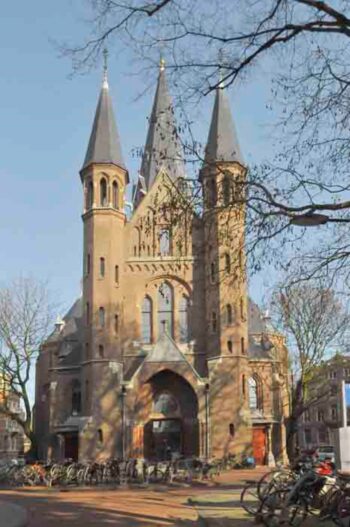
Op 27 januari 2024 een lezing in de Vondelkerk in Amsterdam bij Europe and its Values. Vanaf 4 maart interview met Paul van Liempt over Een jager in het woud. Op 20 maart in Helmond in Lokaal 42: Vooruitgang in de kunst: een terugblik, vanaf 27 maart een interview met Ad Verbrugge in De Nieuwe Wereld. Op 24 april op Hogeschool VIVES in Torhout (B) over Rousseau en onderwijs en op 13 mei in De Rode Hoed in Amsterdam een lezing over Kant.
Verder lezen

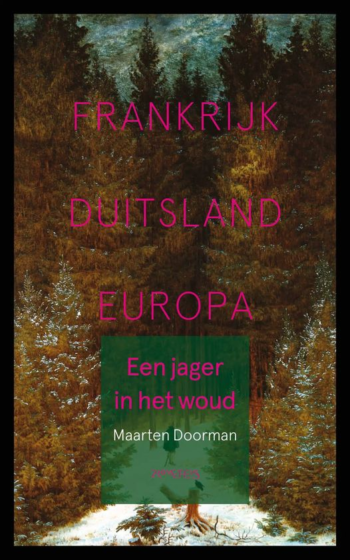
Een jager in het woud genomineerd voor de Longlist van De Boon Literatuurprijs!
Verder lezen
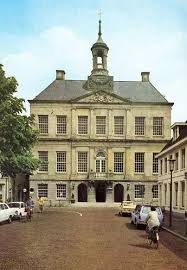
Op 26 augustus 2023 over het lied en romantiek op heerlijkheid Berkenrode in Heemstede / Aerdenhout. 12 september lezing over Rousseau en authenticiteit bij de Vereniging voor Wijsbegeerte in Den Haag (20 uur). Dan op 24 september lezing over hedendaagse kunst in Weesp, Raadzaal Stadhuis. Op 15 oktober in Helmond over kunst in de Cacaofabriek (15 uur). Op 3 november in Eindhoven bij Boekhandel van Piere over het boek Een jager in het woud, met signeersessie (19 uur). En tenslotte op 18 december in Nieuwspoort bij de Sociëteit voor Culturele Samenwerking in Den Haag een lezing over Een jager in het woud.
Verder lezen
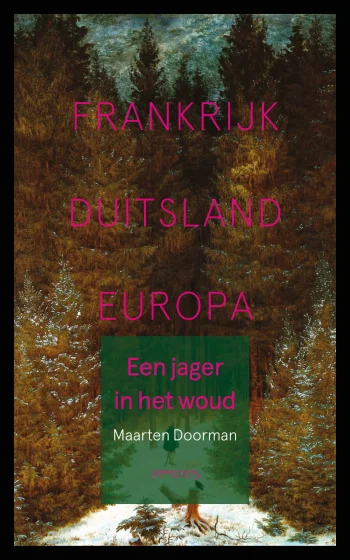
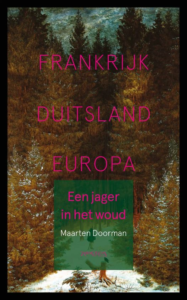
Op 22 maart 2023 boekpresentatie in Amsterdam van Maarten Doormans Een jager in het woud. Frankrijk, Duitsland, Europa. Spui 25, 5 PM. Zie hier een leesfragment. En hier recensies in Trouw en in de Volkskrant en hier VPRO radio. Op 1 mei 2023 gaat Maarten Doorman in gesprek met Susan Neiman over haar nieuwe boek Links is niet woke en op 12 mei een lezing over Rousseau bij de Koninklijke Verzamelingen in Den Haag. En op 14 mei lezing over kunst en engagement in Museum Weesp.
Verder lezen
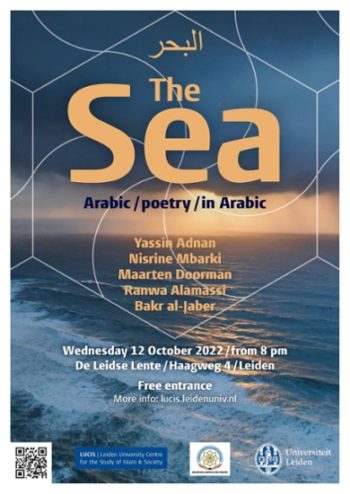
Lezing authenticiteit en nieuwe uitgave Rousseau. En op 12 oktober literaire salon over Arabische poëzie in Leiden. Zie hier Op 13 november lezing in Blaricum over paradoxen van authenticiteit. En de nieuwe uitgave van Rousseaus meesterlijke Bekentenissen met voorwoord van Maarten Doorman. Voor zijn recensies in NRC zie hier. En in de Volkskrant verscheen op 21 januari 2023 over Frankrijk en Duitsland in Europa dit essay, in februari 2023 een recensie van Nietzsches verzamelde gedichten.
Verder lezen
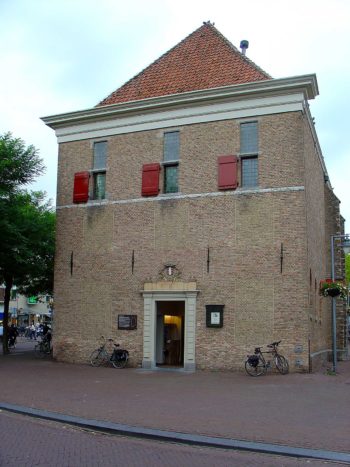
Vanaf heden 3 korte films met Eva van Pelt op tentoonstelling in Droog, Amsterdam. Op 3 oktober het toneelstuk De wereld een draad (Stefanus Theater Utrecht). Vrijdag 22 oktober lezing op symposium van IETM in Lyon; op 27 oktober verschijnt bij Prometheus de nieuwe dichtbundel Wie niet. Op 21 november in Gouda een lezing over Thomas Mann en ten slotte op 11 december gesprek over de nieuwe dichtbundel Wie niet in Poëziecentrum Nederland Wegens corona uitgesteld. Per 21 december dit schilderij bij het Literatuurmuseum.
Verder lezen
Zojuist verschenen: hoorcolleges over Rousseau! Verder een relletje in Hoorn; Maarten Doorman op radio 1. Op 22 juli 2021 in Amsterdam een lezing over Eenzaam avontuur van Anna Blaman en de canon. Op 22 augustus column op Summer Dance. Op 28 augustus de Berkenrodelezing over het lied en de romantiek.
Verder lezen
De Maand van de Filosofie is voorbij. We kijken terug op de Natuur.
Verder lezen
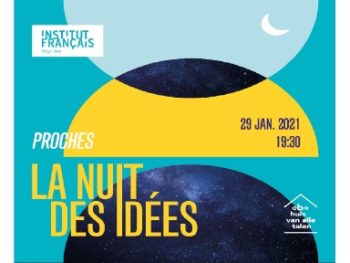
Op 29 januari ONLINE EVENT Nuit des idées 2021: Proches, 7.30 PM over universalisme en onderwijs in Nederland en Frankrijk. Eerder een interview van HUMAN met Maarten Doorman: mag kunst beledigen? En precies tien jaar geleden begonnen we aan één van de eerste experimenten met poëzie en virtual reality.
Verder lezen
Op 14 september 2020 Dag van de Duitse taal, zie hier; op 22 september over kunst en geweld met Masha Trebukova en Antoine de Kom in De Balie, 11 oktober de Agnietenlezing in Gouda en 17 oktober theater Branoul, Den Haag. OPNIEUW AFGELAST
Verder lezen
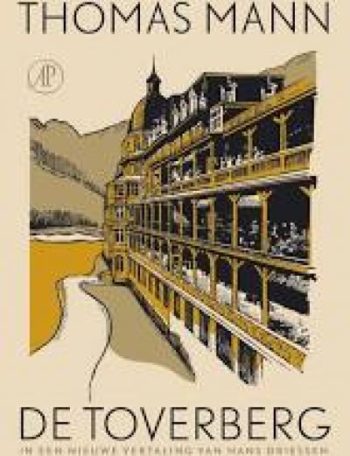
Op 28 februari 2020 Lezing en nagesprek bij Me, myself and Roger Scruton van Caro Derkx (Frascati, Amsterdam). OP 15 maart lezing in Gouda over De toverberg afgelast, op 19 maart l over het translokale in Amsterdam afgelast, op 25 maart over Duitstalige literatuur afgelast en de volgende dag over romantiek en Giselle bij Cinedans in Eye; afgelast.
Verder lezen
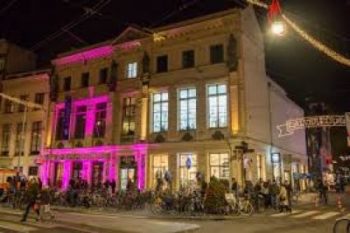
Op 14 november 2019 presentatie van de collectiecatalogus van het AMC: Een gebouw dat kunst ademt. Bij De anatomische Les, Concertgebouw Amsterdam. Op 17 november lezing in Stedelijk Museum Breda: Natuur, landschap en romantiek. Gedachten bij de schilders van Dongen. Op 16 januari: Kunst en het wereldprobleem (Arti & Amicitiae) en op 8 februari Programme sans Programme in Parijs.
Verder lezen
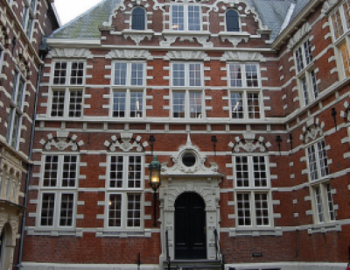
Op 11 september 2019 bij KNAW Amsterdam over de schrijver, 14 en 15 september over Tischbein in Enschede, 18-9 gesprek met Marcelo Brodsky in De Balie Amsterdam, op 24-9 een bijdrage over onweer en romantiek in Spui 25, op 27-9 in het DIA over Duitse cultuur. Op 10 oktober lezing in Museum Het Valkhof, Nijmegen, 12 oktober opening Stedelijk Museum Breda.
And read here a recent article about translocality in the arts.
Verder lezen
9 juni 2019 OVT (radio 1) over 50 jaar Woodstock; zie ook Doormans recensie in NRC Handelsblad, 27 juni bij Dordtyart in Dordrecht over kunst, 28 juni Pakhuis De Zwijger Amsterdam, 21 juli op NPO 1, 12.10 uur op tv: Filosofisch Kwintet.
Verder lezen
30 jan 2019 lezing Studium generale in Breda, 27 febr over kunst en romantiek in Leusden, 6 maart Theater Rotterdam bij toneelstuk AMNÈ(I)S(T)IA, 30 maart Dag van de Filosofie In Tilburg over menselijk gestuntel, 6 april lezing in Schunck (Heerlen). Op 7 april opening Nieuw Dakota, 23 april over 50 jaar Woodstock in Heusden-Zolder, 27 april boekpresentatie in Antwerpen, 22 mei De Balie over Stefan Zweig.
Verder lezen
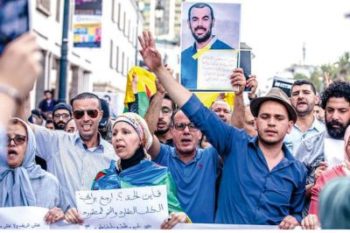
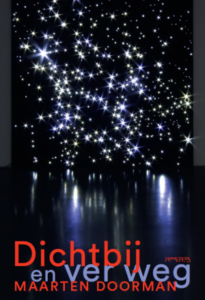
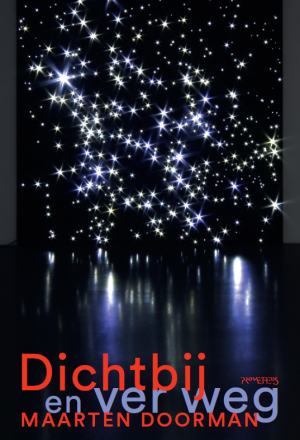
In Brussel op 21 september 2018 een lezing in het Kaaitheater (Brussel) over authenticiteit; op 22-9 debat in De Balie (Amsterdam) over opstand in de Rif; op 10-10 gesprek met Daniëla Hooghiemstra in De Kring (Amsterdam) over dierenliefde, en andere zaken uit Dichtbij en ver weg. Op 13-10 op radio 1 in Nieuwsweekend en op 25-10 een lezing over romantiek in de ISVW in Leusden en ’s avonds in De Balie nagesprek bij de film Het Hut Syndicaat. Op 7 november over kunst in De Koepel, Haarlem.
Verder lezen
Armando 1929-2018. Op 3 juli om 1 AM bij Nooit meer slapen van de VPRO over zijn werk. Op 17 juni 2018 radiodocumentaire over Luceberts oorlog (NPO radio 1), Ate de Jong spreekt op Weltschmerz TV met Maarten Doorman, op 4 juli een symposium over Natuurliefde in de Artis Bibliotheek en op 9 juli een lezing in Prato.
Verder lezen
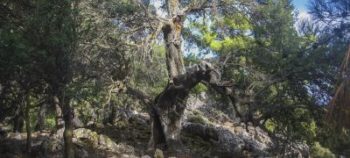
Natuur, kunst en de romantische orde op Kreta: zie hier
Verder lezen
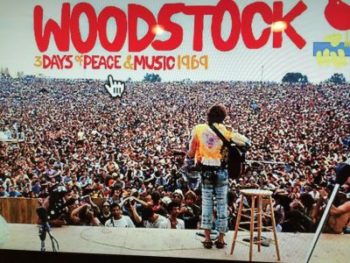
Lezingen in voorjaar 2018 over opstand, 1968 en romantiek in Concordia Enschedé (8-4), over Woodstock in Los Angeles (17-4), en in Maastricht (20-4). Op 29 april in Dominicanen Boekhandel over het NIEUWE BOEK: Dichtbij en ver weg, ook in Maastricht. Zie ook deze recensie. Verder in Amsterdam in Spui 25 (24-4-2018) en op Radio KLARA op 23 april. Op 16 mei Goethe Instituut Amsterdam met Christina Morina, op 25 mei Duitsland Instituut Amsterdam.
Verder lezen
Op 25-1-2018 lezing in Eindhoven over kunst & engagement. Op 31-1 masterclass Filmacademie Amsterdam over Dangerous Liaisons, op 14-2 voor de Société Européenne de Culture over engagement in de kunst (UB, UvA) en ’s avonds in Den Haag over Liefde. Op 4-3 over Schoonheid in Salon de la Pensée, Antwerpen, op 17-3 GROUND festival in Den Haag en op 11 maart in OVT over Rousseau (radio 1)
Verder lezen
Op 17-11-2017, 4 h, voor La Dictadura de lo Cool in Explore Festival gesprek in de Rotterdamse Schouwburg, op 25-11, 10.30 h in De Balie bij Aestheticizing Activism: The role of exhibitions in politics, op 30-11 bij Boekhandel Athenaeum om 17.15 h een gesprek met Cristina Morina n.a.v. haar boek over Marx en zijn profeten, en om 20 h over Von Humboldt in De Brakke Grond; op 1-12 in Theater Ins Blau in Leiden nagesprek bij Breaking the Silence (Via Berlin). En op 11-11 radio 1 bij de Nieuwsshow om 10.20h over koken en op 1-12 bij Nieuwsuur NPO2 over Ai Weiwei.
Verder lezen
Op 29 september interviewt Maarten Doorman Marjan Teeuwen in het Stedelijk Museum n.a.v. haar boek en op 20 oktober leest hij er een column bij de presentatie van Joseph Semah. Op 22 oktober is hij te beluisteren op radio 1 bij het jubileumprogramma van OVT.
Verder lezen

OVT maakt deze zomer een serie over utopieën en dystopieën. Vanaf 9 juli acht zondagen tussen 10.15 en 11.00 uur op NPO Radio 1 met als vaste gast Maarten Doorman over Thomas More, Karl Marx, Plato, Orwell, Houellebecq e tutti quanti!
Verder lezen
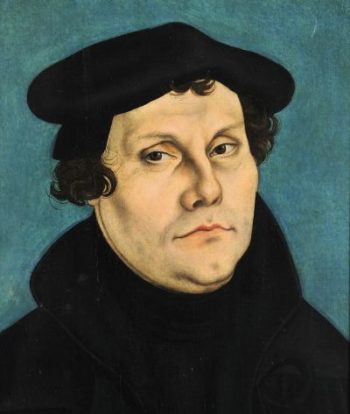
Op 14 juni lezing in Apeldoorn bij De Laatste Tuin over begraven en landschap; 22 juni in de Nieuwe Kerk Amsterdam over Luther, op 7 juli in Tale of a Tub (Rotterdam); op 4 augustus in Oostende over kunst en engagement bij het festival Theater aan Zee en op 31 augustus Museum Kranenburg, Bergen.
Verder lezen
Op 26 maart bij Caspar Western Friedrich in het Kaaitheater Brussel, 29 maart in de schouwburg Heerlen bij Club Romance, 1 april Nacht van de Filosofie Leeuwarden, 15 april Poëziecafé Arnhem, 26 april oratie Vrije Universiteit Amsterdam, 28 april MOA Amelisweerd.
Verder lezen

Over een bezoek aan Suriname
Verder lezen
Op zondag 8-1 is Maarten Doorman op radio 1 in het geschiedenisprogramma OVT te horen over Martin Luther. Op 11 januari in De Rode Hoed bij de presentatie van het nieuwe boek van Eva Rovers, op 23-1 op de Toneelacademie in Maastricht en op 7 en 14 februari in Eindhoven over filosofie en kunst.
Verder lezen
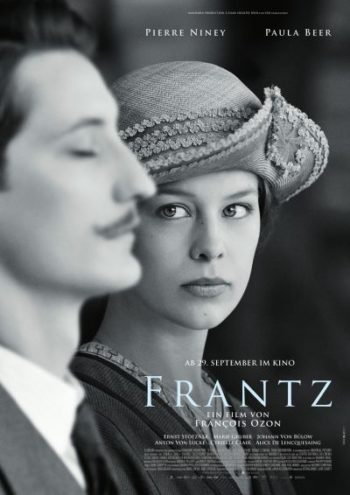
Op 23-11 geeft Maarten Doorman aan de Design Academy Eindhoven een lezing. Op 24-11 leidt hij de film Frantz in bij de reeks filmvoorstellingen van Rialto/VU, op 25-11 een lezing in het Scheepvaartmuseum; op 2-12 aan de VU (The romantic landscape); op 3-12 in De Balie bij de Engaged Art Fair. Tot slot op 10 december diner pensant van Slow Food en dan ook nog op 2-12 op radio 1…
Verder lezen
Op 14 september bij boekpresentatie van What’s the Use? in het Veemtheater, Amsterdam. Op 3 oktober lezing aan Artez (Zwolle) over engagement in de kunst, op 7 oktober bij een avond van De Gids (Amsterdam), op 12 oktober Tegenlicht Meet Up in Pakhuis De Zwijger (Amsterdam), op 14 oktober over Rousseau in Hoensbroek, op 27 oktober in Felix Meritis in Amsterdam over vrijetijdsdruk en op 30 oktober in Groningen over muziek van nu.
Verder lezen

In de Oude Kerk in Amsterdam (14 mei), in Spui25 (19 mei), in Christie’s (20 mei) en De Balie (22 juni), op 19 juni op TV in Dus ik ben (NPO 2), op 7 juni in Brussel en op 14 juli in Dordrecht en in Nooit meer slapen (VPRO, radio 1) op 11 mei
Verder lezen
Lezingen in het land: 7 april Nijmegen, 14 april Enschedé, 15 april Amsterdam, 22 april Groningen
Verder lezen
Op 20 maart geschiedenis in OVT, radio 1; 28 maart denken in Brainwash NPO radio 1, vanaf 28 maart dagelijks Nooit meer slapen VPRO radio 1 met poëzie
Verder lezen
Op 8 februari en 22 april lezing over engagement in de beeldende kunst in Groningen; 12 februari in Arnhem, op 23 februari op de Zuidas in Amsterdam, 4 maart in De Balie, op 12 maart aan de Jan van Eijck Academie in Maastricht en 14 april in Concordia in Enschedé. Op 15 april Nacht van de Filosofie in Amsterdam.
Verder lezen
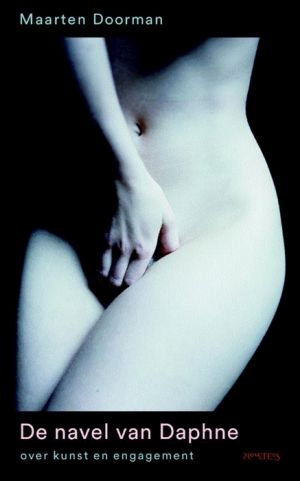
Op 5 februari op TV in Liempt Live RTL z over de weigering van iBookstore van Apple om De navel van Daphne op te nemen in haar boekhandel. Zie NRC Handelsblad en
Verder lezen
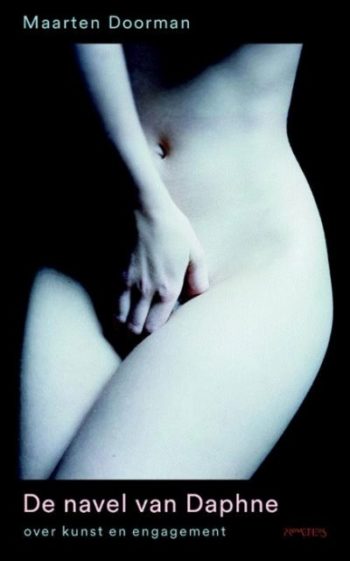
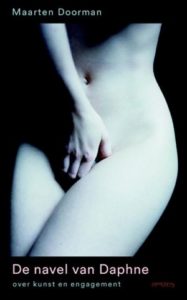
In de beeldende kunsten is niets wat het is. Maar van de politiek en van de moraal wordt juist ondubbelzinnigheid verlangd. Hoe kan kunst dan politiek of moreel zijn? Veel hedendaagse kunstenaars trekken met een boodschap de wereld in. In De navel van Daphne werpt Maarten Doorman licht op het doolhof van engagement in de kunst. Bestel.
Verder lezen
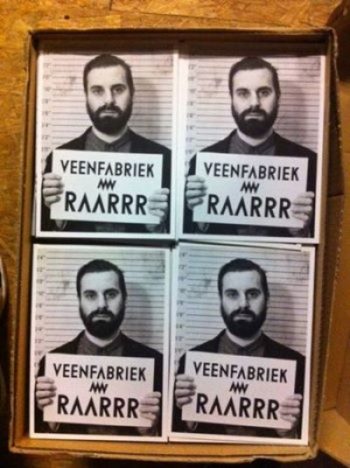
Op 26 november op het Symposium VUUR over kunst en engagement bij De Wintertuin in Nijmegen, 14 uur. Op maandag 7-12 in OBA Life (radio) en 11 december première van RAARRR met tekst van Maarten Doorman, De Veenfabriek Leiden, 20 uur. Op 23 december in de School of Life in Amsterdam over voedsel en authenticiteit, 20 uur met Viktoria Susovits.
Verder lezen
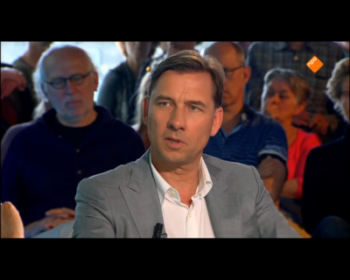
Op 11 juni drie kwartier na middernacht sluit Maarten Doorman op NPO 2 de dag af met een gedicht over nachtelijke geluiden. Gesprek met Colet van der Ven. Op 28 juni om 12.10 uur op NPO 1 Het Filosofisch Kwintet met Clairy Polak, Ad Verbrugge en Maarten Doorman. Herhaling op 26 juli, zelfde tijd en zender.
Verder lezen
Onlangs kreeg Maarten Doorman een beurs van het Mondriaan Fonds voor het schrijven van een boek over Kunst, autonomie en engagement.
Verder lezen
Bij Studium generale Delft op 20 april spreekt Maarten Doorman over Rousseau. Op 8 mei nagesprek bij Hannah en Martin met Lineke Rijxman, Willem de Wolf en A. Heumakers o.l.v. Maarten Doorman (Stadsschouwburg Amsterdam). Op 17 mei in Dordrecht over romantiek en realisme en het Hollands Landschap in het Dordrechts Museum (15 uur), 18 mei Spui 25 Amsterdam
Verder lezen
Op 30 januari een avond in De Rode Hoed Amsterdam over Babyboomers van Ronald Havenaar.
Verder lezen
OBA Live: over cultuur, politiek, moraal en wetenschap van 19.00-20.00 met Stephan Sanders, Stine Jensen, Tom de Ket en Maarten Doorman rechtstreeks vanuit de Openbare Bibliotheek (OBA) in Amsterdam.
Verder lezen
8 januari 2015 Congres Het leiderschap van de toekomst. Met Sean Covey. Keynote Sietske Waslander en Maarten Doorman. Zie
Verder lezen
Vanaf 17 november Maarten Doorman dagelijks in de nacht 5x met miniverhaal op radio 1
Verder lezen
Universiteitstheater, Nwe Doelenstraat Amsterdam, 25 oktober, 11 uur in de ochtend: 50 mini lezingen. Zie
In de Stadsschouwburg Amsterdam is op 30 oktober om 22.45 uur een gesprek over het Schone met o.a. Arnold Heumakers, René Boomkens en Maarten Doorman. Zie
Verder lezen
Op dinsdag 23 september een avond over authenticiteit in De Balie Amsterdam. De voorafgaande avond een inleidend interview met Maarten Doorman op radio 5. Op zaterdagochtend 4 oktober spreekt Maarten Doorman over Rousseau aan de VU.
Verder lezen
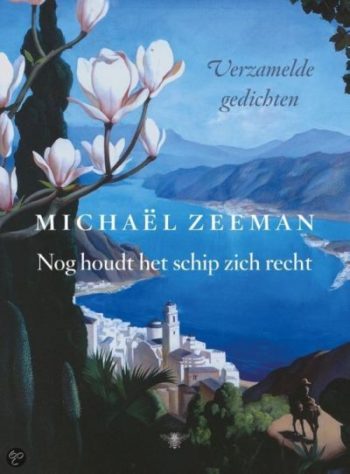
Op 12 september verschijnen de verzamelde gedichten van Michaël Zeeman (1959-2009), bezorgd en ingeleid door Maarten Doorman. De presentatie van Nog houdt het schip zich recht (De Bezige Bij) is om 18 uur in Boekhandel Athenaeum aan het Spui te Amsterdam.
Verder lezen
Op 4, 5, 6, 7 en 8 augustus een kort verhaal plus interview van (met) Maarten Doorman in Nooit meer slapen, 2 minuten over 1 ’s nachts. Luister vanaf 01.02 uur!
Verder lezen
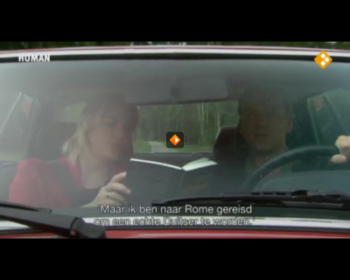
Herhaling van Ik heb smaak dus ik ben op woensdag 16 juli 23.30 uur en zaterdag 19 juli om 9 uur, met Alain de Botton en Maarten Doorman.
Ik reis dus ik ben op woensdag 13 augustus om 23.30 uur en op zaterdag 16 augustus om 9 uur. Stine Jensen lift op Nederland 2 met Maarten Doorman mee in zijn 30 jaar oude mercedes 230 CE.
Verder lezen
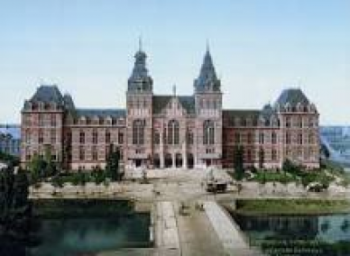
12 mei OBA Life over Europa; 18 mei De Bottons uitglijders in Art as Therapy in het Rijksmuseum (zie hier het interview); 24 mei over De Brief in De Balie; op 31 mei om 11.15 uur key note speech ter afsluiting van het ESA congres The Age of Aesthetics, zie; 21 juni forum op festival iHuman; ik ben online, dus ik ben in Haarlem. Op 1 juli, 13.30 uur lezing over Schopenhauer de VU in Amsterdam en op 3 juli over Nietzsche, eveneens 13.30 uur. Aanmelden
Verder lezen
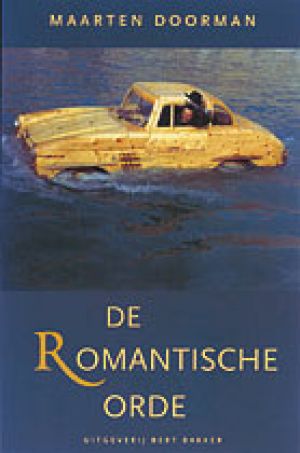
Op 29 maart opent Maarten Doorman de tentoonstelling Het landschap en de romantische verleiding in Diepenheim. Op 31 maart is Doorman op OBA life (radio 5), op 1 april in Diepenveen (België) met een lezing over kunst, op 2 april na middernacht op radio 1, op 3 april in de Nacht van de filosofie in Groningen over Schopenhauer, op 4 april in Nijmegen op het filosofisch festival De Catastrofe, op 8 april in Amsterdam (De Rode Hoed), op 9 april in Rotterdam, op 10 april een lezing in Leiden over cross overs en op 15 april bij Felix en Sofie in Amsterdam over De Romantische orde.
Verder lezen
Lezingen op 8 maart in Nijmegen, 23 maart in Haarlem, 1 april in Diepenbeek, 3 april in Groningen,
Verder lezen

Zondag 8 december radio 5, om 15 uur vanuit de Lakenhal, in een programma over kunst en engagement n.a.v. de tentoonstelling UTOPIA. Op 8 december sprak Maarten Doorman op radio 1 over de necrologie n.a.v. de dood van Nelson Mandela.
Verder lezen
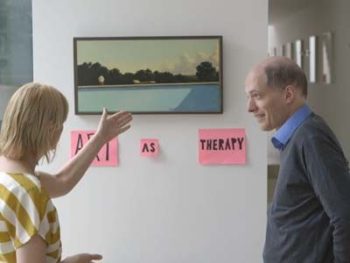
Vrijdag 29 november 16.10 uur Ned 2 Dus ik ben
Verder lezen
Donderdag 28 november om 12.30 uur spreekt Griet Pauwels met Maarten Doorman over zijn werk in de Openbare Bibliotheek van Gent. Zie
Verder lezen
25 oktober 19-20 uur Xandra Schutte en Maarten Doorman bij Brands met boeken op radio 1 over de zojuist verschenen bundel On-af
Verder lezen

Lezingen in Breda, Leusden, Leiden, Baarn, Groningen.
Verder lezen
Onlangs publiceerden de antropologen Douglas Fry en Patrik Söderberg in Science News een onderzoek waaruit zou blijken dat de mens niet al vanouds het oorlogszuchtig wezen is waarvoor
Verder lezen
Poëzie op Het Tuinfeest in Deventer op 3 augustus. Binnenkort in Leiden op 17 oktober lezing voor Studium generale; 5 november in Groningen over Rousseau en authenticiteit.
Verder lezen

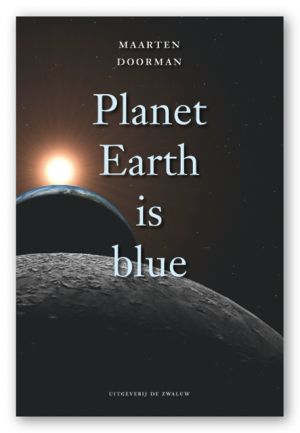
Op maandag 24 juni radio 1 na 15.30 uur (luister hier) en dinsdag 25 juni radio 6 na 21 uur Planet Earth is blue op de radio. Zie
Verder lezen
Op zondag 16 juni van 12.10 tot 13.10 uur op Nederland 1 zendt HUMAN Het Filosofisch Kwintet uit, met als thema: Identiteit en geschiedenis.
Op welke manier bepaalt geschiedenis hoe we naar onszelf kijken? Waarom is juist het verleden belangrijk voor wie we zijn? En is dat slechts een geconstrueerd beeld of schuilt er werkelijk iets oeroud Hollandsch in ons?
Verder lezen
Optredens op 14 april over Rousseau (Antwerpen), Schiller (Den Haag), Natuur en authenticiteit (Wageningen, 22 mei), en over Émile van Rousseau in Perdu, Amsterdam, 4 juni 2013
Verder lezen
Op 1e Pinksterdag om 10 uur radio 1 OVT m.m.v. Maarten Doorman over de geschiedenis van het ik.
Verder lezen

Op Eerste Paasdag 2013 19.00 uur Maarten Doorman in Dus ik ben
Verder lezen
30 januari Internationaal Film Festival Rotterdam over kritiek; 31 januari presentatie nieuwe dichtbundel in Amsterdam; 28 februari over Rousseau in Groningen; 2 maart over romantiek in Leusden, 5 maart over literatuur en moraal in Amsterdam, 21 maart over Rousseau in Mechelen, op 10 april over de romancultuur in Amsterdam en op 14 april in Antwerpen en ’s middags in Den Haag.
Verder lezen
Op 1 februari (21-22h) interviewde Wim Noordhoek Maarten Doorman over zijn nieuwe dichtbundel.
Verder lezen
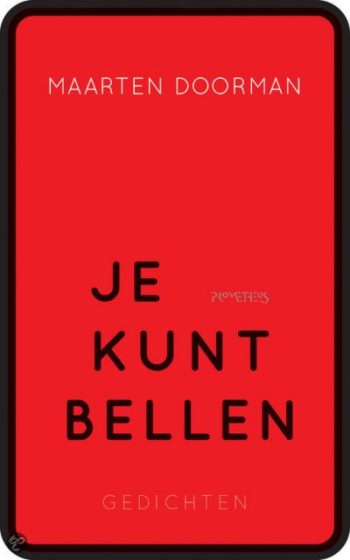
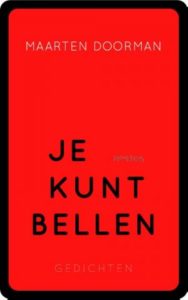
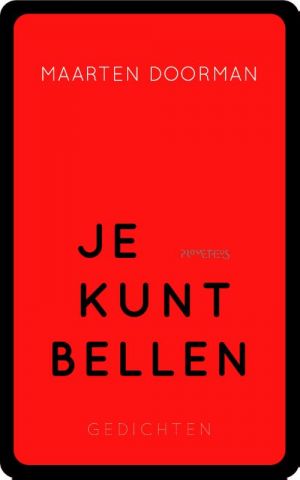
Op 23 janauri verschijnt de nieuwe poëziebundel van Maarten Doorman: JE KUNT BELLEN
Zie
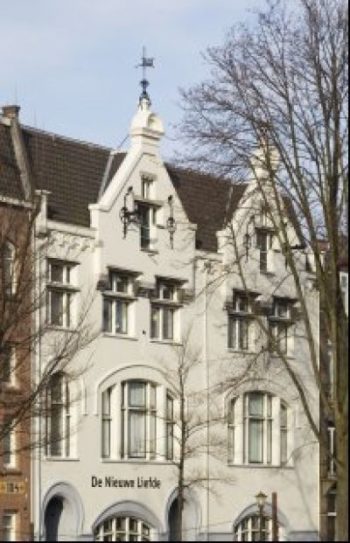
Presentatie op Gedichtendag, donderdag 31 januari in De Nieuwe Liefde Amsterdam. Zie
Verder lezen

De avond van 2033, live vanuit Desmet: met Maarten Doorman, 22 uur
Verder lezen
Donderdag 13 december Maarten Doorman over Rousseau aan de VU in Amsterdam, 11 uur, en vrijdag 14 december in Tilburg, 20 uur. Dinsdag 8 januari 2013 De Nieuwe Liefde Amsterdam over authenticiteit en 31 januari aldaar nieuwe poëzie, 2 maart in Leusden lezing over romantiek en 21 maart in Mechelen over nog eens over romantiek.
Verder lezen
Op dinsdag 30 oktober wordt de bundel necrologieën van Michaël Zeeman gepresenteerd. Spui 25 Amsterdam, 20 uur Zie
Donderdag 1 november houdt Maarten Doorman een lezing op het symposium De waarde van Cultuur in Den Bosch (10.30 uur) Zie
Op woensdag 21 november spreekt Maarten Doorman in Den Bosch over het geloof in de toekomst van de kunst, Achter de Kan, 20 uur Zie
Woensdag 28 november is om 17 uur het forum I am for an art criticism that has a voice in Kunstcentrum Witte de With in Rotterdam Zie
Verder lezen
7 oktober radio 5 Het filosofisch kwintet 19 – 20.30 uur
10 oktober
Echt, eerlijk, natuurlijk en oprecht. Rousseau en de erfzonde van de authenticiteit. Lezing Filosofisch Café Haarlem.
11 oktober Concertgebouw Amsterdam 15.30 uur lezing over Muziek en kinderen
12 oktober Spui 25 Amsterdam publiek interview 17 uur
14 oktober 10-11 uur radio 1 VPRO jubileumuitzending OVT
Verder lezen
Op 23 september is Maarten Doorman te gast in De Leidse salon in De Lakenhal. Andere gasten zijn Karin Post, Pierre Bokma en Berend Strik.
Op 26 september een lezing over het draagvlak in de kunsten voor FNV KIEM in Maastricht (Jan van Eyckacademie, 16 uur).
Op 30 september houdt Maarten Doorman een lezing over beeldhouwkunst, met rondwandeling door het Openluchtmuseum Middelheim te Antwerpen. Zie http://hetzoekendhert.be/filosofische-walk-in-progress-in-middelheimmuseum/
Op 4 oktober een lezing over Rousseau in Den Bosch voor de St. Joost Academie, op 7 oktober volgt om 14 uur Rousseau of de valstrikken van de oprechtheid, Waanderslezing te Zwolle, en op 10 oktober Echt, eerlijk, natuurlijk en oprecht. Rousseau en de erfzonde van de authenticiteit. Filosofisch Café Haarlem.
Verder lezen
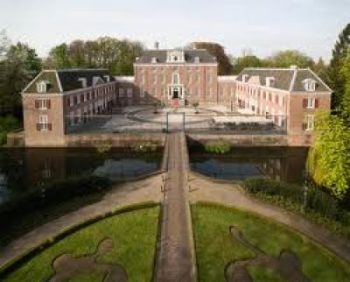
Ter ere van de 300e geboortedag van Jean-Jacques Rousseau wordt op 28 juni a.s. in Slot Zeist een dag gehouden over de betekenis van Rousseau voor het onderwijs. Met een lezing van Maarten Doorman.
Tevens wordt ’s middags de concertante kameropera van Rousseau Le devin du village uitgevoerd, met inleiding van Maarten Doorman. Zie
Verder lezen
Televisie. Op zaterdag 16 juni (21 uur) Kenneth van Zeil in gesprek met Maarten Doorman en anderen in Knetterende Letteren op Cultura 24 over literatuur en de markt. Zie
Verder lezen
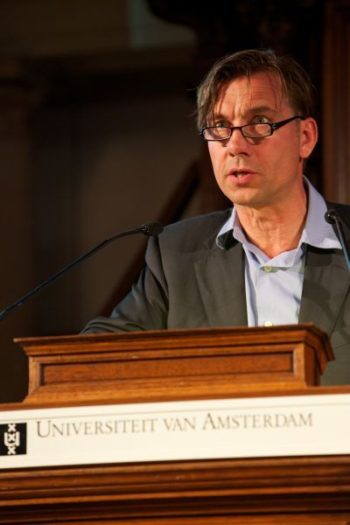
Op 31 mei hield Maarten Doorman een lezing over kritiek op de laatste avond van een reeks lezingen van het Stedelijk Museum.
Verder lezen

Dinsdag 12 juni presenteert De Gids het nieuwe nummer met daarin een gedicht van Maarten Doorman. Vanaf 20 uur in het Trouwgebouw, Wibautstraat Amsterdam. Met een verhaal van Ineke Riem en poëzie van Maarten Doorman. Presentaite Dirk van Weelden.
Verder lezen
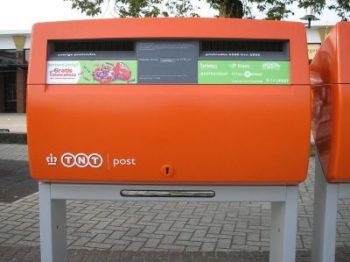
Presentatie Poëzie op het mobiele scherm 17 mei
Wat gebeurt er als een dichter en een vormgever samen een gedicht maken dat speciaal voor mobiele schermen is bedoeld? Het Mondriaan Fonds en het Nederlands Letterenfonds boden dichters en vormgevers gelegenheid om de mogelijkheden van touchscreens en Augmented Reality te onderzoeken. Maarten Doorman maakte met PJ Roggeband en Nils Muhlenbruch een poezie-app voor de brievenbus: 200tonTNT. Nu in de lucht!!! Hoe werkt het? Zie
Verder lezen
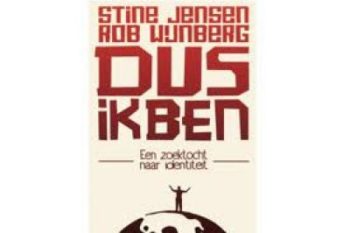
In de Maand van de Filosofie 4 nieuwe afleveringen van Dus ik ben op tv, Nederland 2. Op zondag 15 april Ik reis dus ik ben en op zondag 22 april Ik heb lief dus ik ben:
http://www.youtube.com/watch?v=lUW-90I93oY
Op maandag 16 april tussen 20 en 21 uur op radio 5 (747 AM) in Hoe?Zo! over Rousseau. Terug te luisteren op www.hoezoradio.nl
Verder lezen
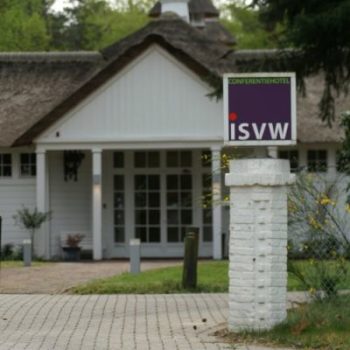
Maand van de filosofie! Op 1 april houdt Maarten Doorman een lezing over Rousseau bij de presentatie van Dus ik ben aan de ISVW te Leusden. Op 21 april op de Dag van de Filosofie in Tilburg.
Verder lezen
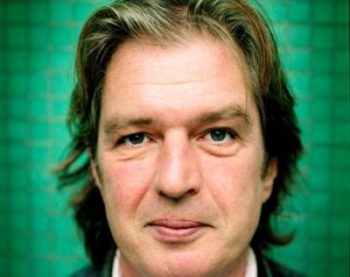
Inmiddels vijfde druk! Op zondag 18 maart sprak Wim Brands met Maarten Doorman in VPRO Boeken over Rousseau en ik. Zie (vanaf minuut 15)
Verder lezen
Hoe word ik wakker in één nacht? Wie ben ik? Wie wil ik zijn?
6/7 april Radio 1 van 2 tot 7 uur.
Verder lezen
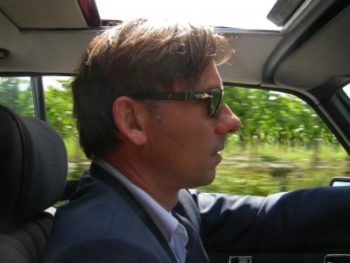
Op 28 maart houdt Maarten Doorman in De Balie te Amsterdam een lezing over urgentie in de literatuur. Avond met Yves Petry, Manon Uphoff, Arjen van Veelen.
Zie
Verder lezen
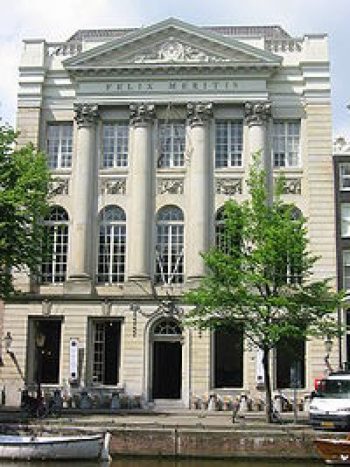
Op dinsdag 21 februari wordt Maarten Doorman geinterviewd in Felix Meritis over zijn nieuwe boek Rousseau en ik. In filosofisch café Felix en Sofie spreekt Tiers Bakker met de schrijver over authenticiteit en Rousseau. Keizersgracht 324, 20 uur.
Verder lezen
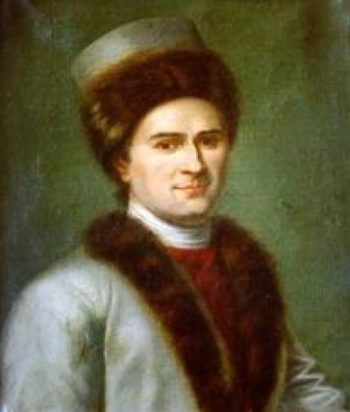
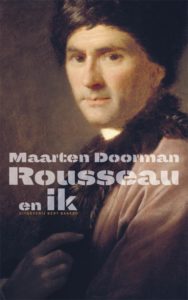
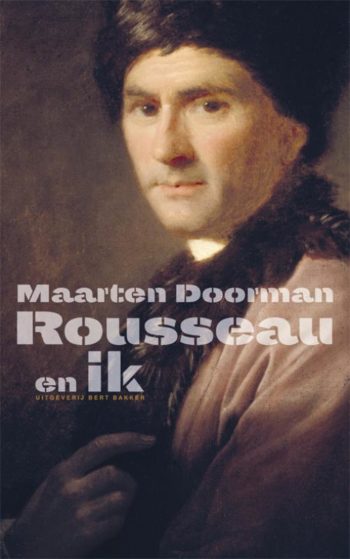
Verschenen: Maarten Doorman,
Rousseau en ik.
Over de erfzonde van de authenticiteit.
(essay, 140 blz., Uitgeverij Bert Bakker). Boekpresentatie in De Rode Hoed, Amsterdam, 20 uur. Interviews met Maarten Doorman in Filosofie Magazine (februari), Vrij Nederland (18 februari)en de Volkskrant (25 februari). Zondag 19 februari VPRO radio 1, 10.30 uur. Woensdag 22 februari De Avonden. Op 14 maart radio: OBA Live (19 uur). Zondag 18 maart bij VPRO tv Boeken met Wim Brands. Bestel hier
Verder lezen
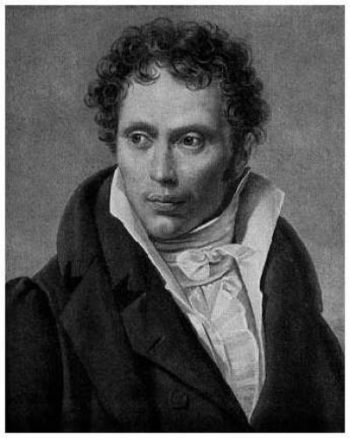
OP 23 februari spreekt Maarten Doorman in de NRC Lux cursusweek??’Denkers die de wereld veranderden’ over Arthur Schopenhauer. Zie
Verder lezen
T/m 22 januari 2012 is in Boijmans van Beuningen Rotterdam de overzichtstentoonstelling van Marijke van Warmerdam te zien. In de catalogus een duiding van het werk door Maarten Doorman: With the Exuberance of Young Animals.
Verder lezen
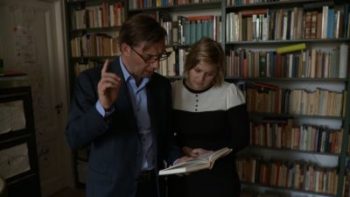
In januari herhaalt Human de vierdelige serie ‘Dus ik ben’. Daarin onderzoekt Stine Jensen grote thema’s als lijden, voelen, ijdelheid en vijandschap en wat deze doen met onze identiteit.
Ik voel dus ik ben. Waarom vinden we iemand menselijker zodra hij zijn emoties heeft geuit? Met Stephan Sanders, Maarten Doorman, Alain de Botton. Zondag 23 januari 2011 om 23.40 uur Nederland 2.
Ik lijd, dus ik ben. Hoe bepaalt lijden onze identiteit? Wat is de zin van het lijden? Met Désanne van Brederode, Peter Singer, John Krakauer. Zondag 6 februari 2011 om 23.40 uur Nederland 2.
Verder lezen
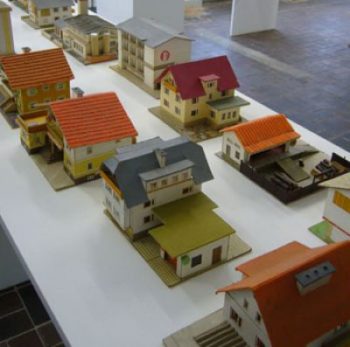
Discoursavond: ‘Backsides and Hinterlands’
Over het belang, de beleving en betekenis van tussenruimtes zoals spoorlijnen, infrastructuur en waterwegen. Gebieden die ons meer beïnvloeden dan we ons bewust zijn. Een avond in het kader van de tentoonstelling MärklinWorld.
Verder lezen
Op 27 oktober in TENT (Witte de Withstraat, Rotterdam) wordt een avond gewijd aan het internationale kunstenaarscollectief MyVillages.org met o.a. Maarten Doorman. Op 2 november houdt Maarten Doorman een lezing over kunst in De Burcht, Amsterdam en op 10 november een lezing over landschapskunst op Ameland.
Verder lezen
Op zaterdagmiddag 24 september vindt er bij de opening van Brandstof o.a. een lezing plaats van Maarten Doorman. Zie hier
Dinsdagavond 27 september lezing en debat in De Speeldoos over het belang van cultuur. Op 10 november een lezing op Ameland: zie hier
Verder lezen
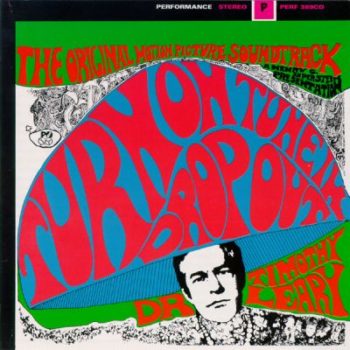
Op woensdag 13 juli houdt Maarten Doorman aan de Internationale School voor Wijsbegeerte (ISVW) in Leusden een lezing over de moeder aller popfestivals: Woodstock. Hoe revolutionair waren de idealen of waren sex, drugs en muziek een opleving van de romantiek? Zie
Verder lezen
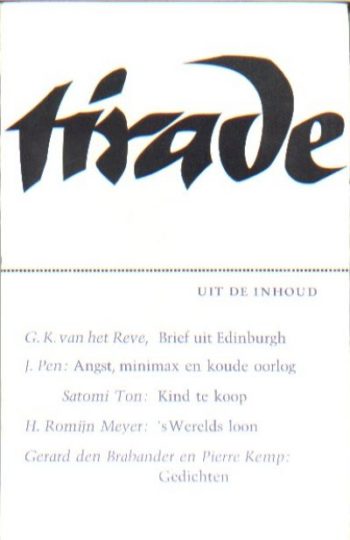
Een aantal schrijvers publiceert in TIRADE een eigen in memoriam. Presentatie van het nummer met o.a. Tomas Lieske, Maarten Doorman, Maarten Asscher en Arjan Peters.
Dinsdag 31 mei, 20.15 h, Orgelpark, G. Brandtstraat 26. Met ogelmuziek, slappe koffie en cake.
Verder lezen
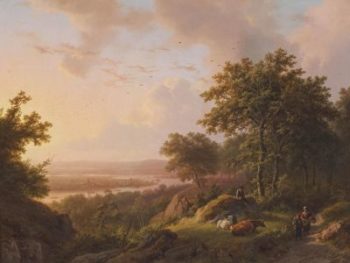
De romantische landschapsschilderkunst heeft de manier waarop wij naar de natuur kijken vergaand beïnvloed. In zijn lezing legt Maarten Doorman uit waarom de romantische blik zo succesvol was, en nog is tot op de dag van vandaag.
Zie
Verder lezen
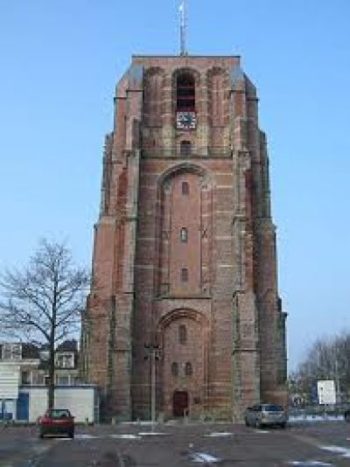
Op 16 april is vanaf 20 uur de Nacht van de Filosofie in Leeuwarden met als sprekers o.a. Hans Achterhuis, Christien Brinkgreve, Maarten Doorman en Jos de Mul. Zie
Verder lezen
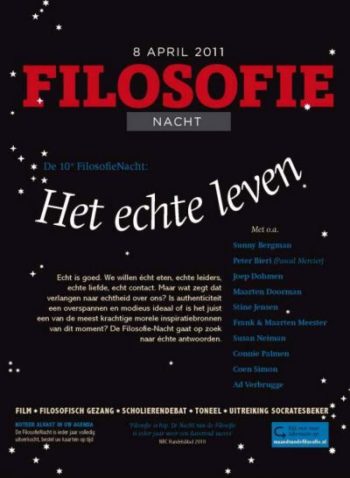
Op 8 april is de Nacht van de Filosofie met o.a. Pascal Mercier, Stine Jensen, Connie Palmen, Maarten Doorman, Susan Neiman en Ad Verbrugge.
Verder lezen